

California SB 343 Compliance Guide: What Luxury Brands Must Know Before the October 2026 Deadline
For luxury brands selling into the United States, California has always been a trendsetter—and a regulatory powerhouse. Following years of legislative development, California’s SB 343 “Truth in Labeling” law is poised to transform the packaging industry, with full enforcement beginning in October 2026 (18 months after CalRecycle’s final material characterization study).
Often called the “Chasing Arrows Law,” SB 343 fundamentally reshapes how brands can market their packaging as “recyclable.” If your luxury paper boxes display the iconic recycling symbol (the Mobius loop) but fail to meet California’s strict new reality-based criteria, your brand could face severe penalties for deceptive marketing and greenwashing.
This is your ultimate guide to understanding California SB 343 and ensuring your high-end packaging remains both luxurious and legally compliant.
What is California SB 343?
For decades, brands practiced “aspirational recycling”—placing the chasing arrows symbol on packaging that was technically recyclable in theory, even if most local facilities couldn’t actually process it in practice.
SB 343 puts an end to this disconnect. Under the new law, a product or packaging can only be labeled as “recyclable” (or display the chasing arrows symbol) if it meets the state’s rigorous threshold:
- The 60% Collection Rule: The material must be collected for recycling by programs serving at least 60% of California’s population.
- The 60% Processing Rule: It must be sorted into defined commercial streams by large-volume transfer and processing facilities serving at least 60% of the state’s population.
- Viable End Markets: The material must have established commercial end-markets that actually purchase and reprocess it into new products.
If your packaging fails to meet these comprehensive criteria, you must remove the chasing arrows symbol and any “recyclable” claims from your artwork before the October 2026 deadline. No exceptions.
Major Pitfalls for Luxury Packaging Under SB 343
Luxury packaging typically relies on sophisticated structures, premium mixed materials, and elaborate embellishments to create an unforgettable unboxing experience. Unfortunately, under SB 343, these very features can instantly disqualify your packaging from being legally labeled as recyclable.
Pitfall #1: Plastic Lamination on Paper Boxes
Many high-end paper boxes utilize a thin layer of plastic film—such as BOPP or soft-touch lamination—to achieve a flawless matte or glossy finish that elevates the tactile experience.
The Issue: Mixed materials create significant challenges for standard paper recycling facilities. The plastic layer must be separated from the paper fibers during the repulping process, which most facilities are not equipped to handle efficiently. Under SB 343, laminated paperboard will likely fail to meet the 60% recyclability threshold, making any “recyclable” claims illegal.
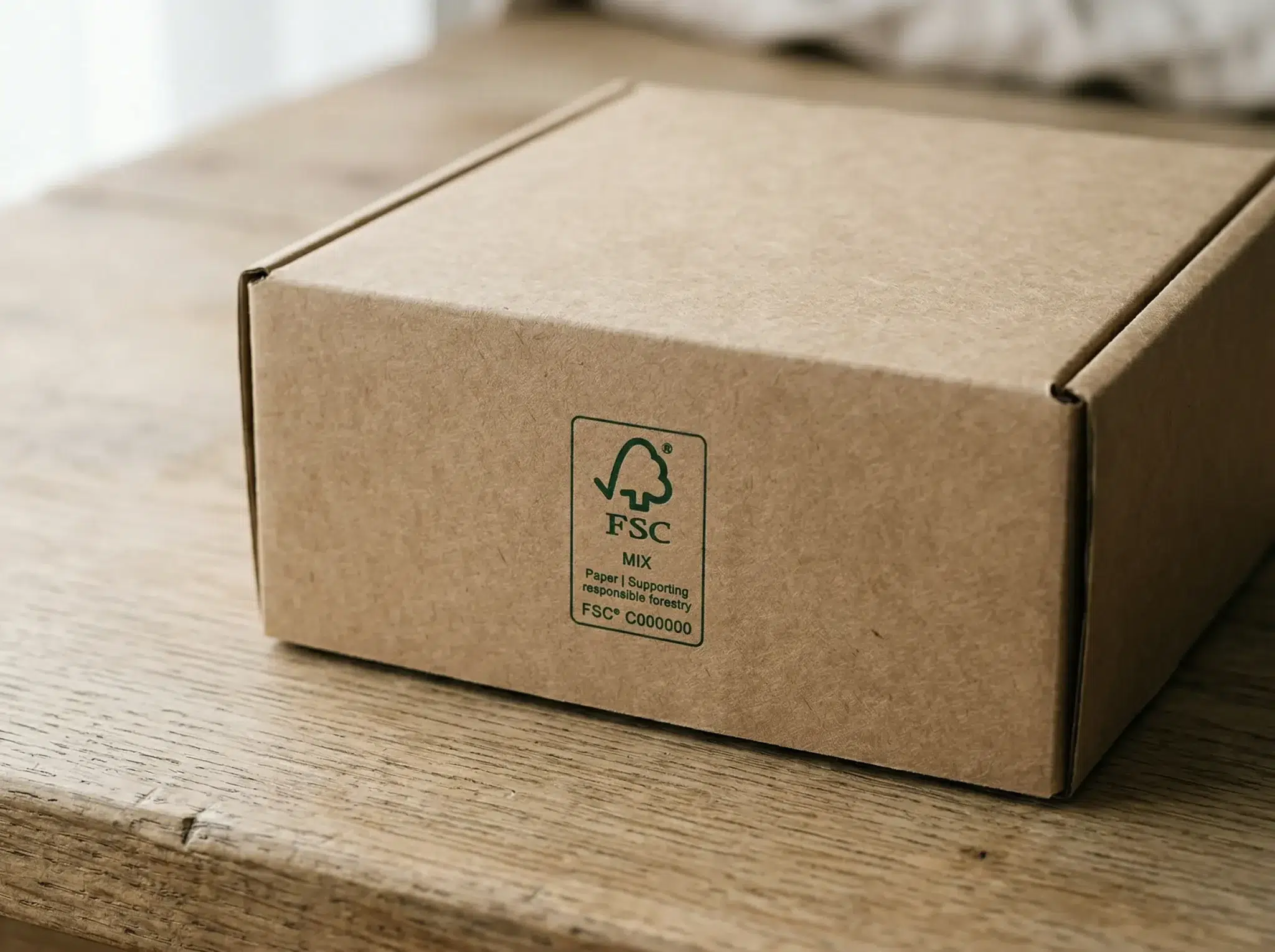
The Fix: Transition to uncoated, naturally textured FSC-certified papers that showcase the inherent beauty of premium paper stocks. Alternatively, adopt eco-friendly aqueous coatings (water-based) or soy-based varnishes that provide similar visual appeal while remaining fully compatible with standard recycling processes. These alternatives maintain the sophisticated aesthetic your brand demands while ensuring full compliance.
Pitfall #2: Hidden Non-Recyclable Components
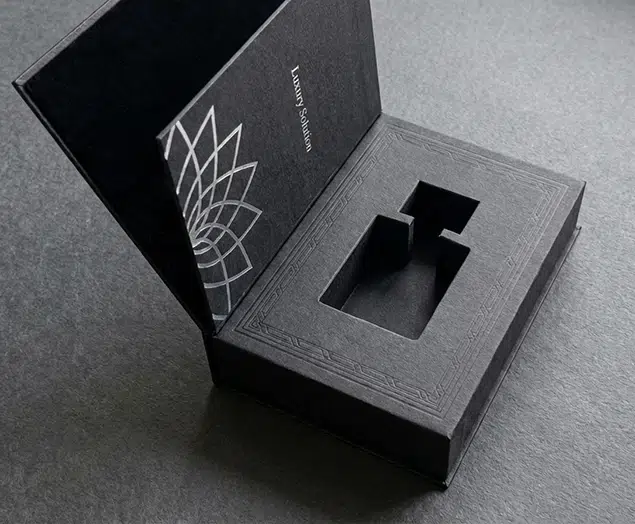
Luxury presentation boxes frequently incorporate EVA foam inserts, concealed magnetic closures, or decorative metal hinges to enhance the premium unboxing experience.
The Issue: Even if the outer shell is crafted from 100% recyclable paper, the presence of permanently attached magnets or foam inserts renders the entire package non-recyclable in standard municipal recycling streams. Under SB 343, displaying the chasing arrows on such packaging constitutes a direct violation and exposes your brand to legal action.
The Fix: Replace foam inserts with molded pulp alternatives or elegantly designed origami-style paperboard dividers that provide product protection while remaining fully recyclable. If magnetic closures are essential to your brand’s signature unboxing experience, they must be engineered for easy consumer removal before disposal. Include clear, simple sorting instructions printed inside the lid or on a removable insert card.
Pitfall #3: Excessive Foil Stamping and Metallic Inks
While metallic foils and shimmering inks instantly communicate luxury and sophistication, excessive use of traditional hot foil stamping or heavy metallic ink coverage can seriously compromise recyclability.
The Issue: Extensive foil coverage can contaminate and degrade the quality of recycled paper pulp. When present in high concentrations, these materials can cause recycling facilities to reject entire batches of otherwise recyclable paper, undermining your sustainability claims and potentially violating SB 343.
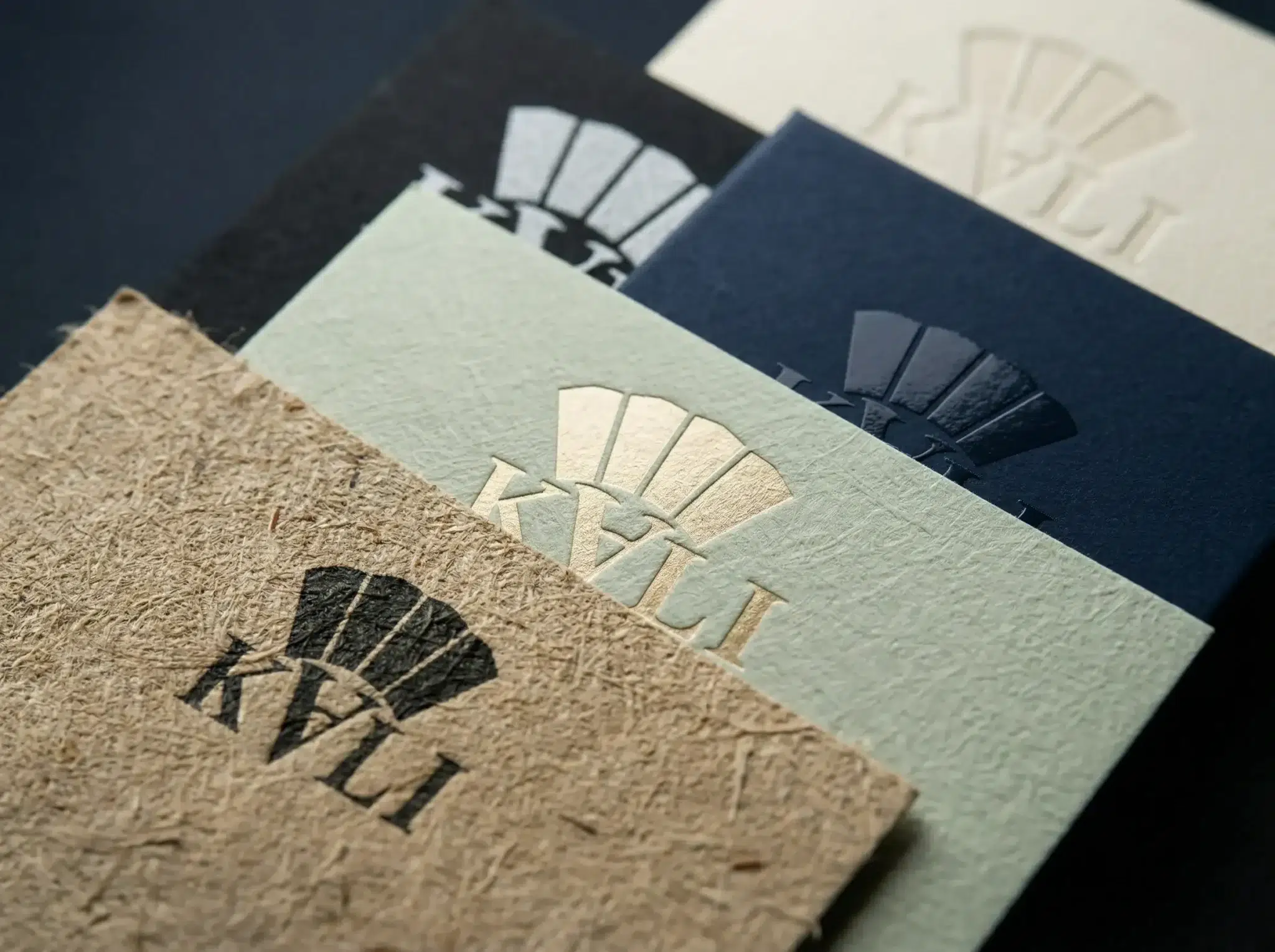
The Fix: Limit foil stamping to strategic, small-scale applications—think refined logo accents rather than full-surface coverage. Better yet, embrace blind embossing or debossing techniques, which add zero chemicals or foreign materials to the paper substrate while creating a highly tactile, sophisticated aesthetic that modern luxury consumers increasingly prefer. These techniques prove that true luxury lies in thoughtful restraint, not excessive embellishment.
Your Action Plan for October 2026
The October 2026 deadline may seem comfortably distant, but the reality is that packaging redesign, material sourcing, supplier vetting, and inventory turnover all require substantial lead time. Waiting until the last moment puts your brand at risk of supply chain disruptions, rushed decisions, and potential non-compliance. Here’s what you should do right now:
1. Conduct a Comprehensive Packaging Audit
Review every single piece of packaging your brand uses for products sold in California. Document all materials, coatings, adhesives, inserts, and decorative elements. Create a detailed inventory that identifies potential compliance issues before they become costly problems.
2. Cross-Reference with CalRecycle Data
Carefully compare your packaging materials against CalRecycle’s published material characterization study. This official document lists which materials meet the 60% threshold for collection and processing. If your material isn’t explicitly included on the approved list, you cannot legally use the recycling symbol or make recyclability claims for California sales.
3. Update Your Packaging Artwork
If your current packaging doesn’t meet SB 343 requirements, you must redesign your graphics to remove the chasing arrows symbol and eliminate any misleading environmental claims. This isn’t optional—it’s a legal requirement. Proactively updating your artwork protects your brand from greenwashing accusations and potential litigation.
4. Redesign for Authentic Recyclability
The most strategic long-term solution is to completely upgrade your packaging to true mono-material paper solutions that comply with both California’s SB 343 and the upcoming European Union PPWR. This future-proof approach positions your brand as a genuine sustainability leader rather than merely reacting to regulatory pressure.
Partner with Luxury-Paper-Box.com for SB 343 Compliance
Navigating the increasingly complex landscape of environmental packaging legislation doesn’t mean sacrificing your brand’s premium aesthetic or compromising on quality. At Luxury-Paper-Box.com, we specialize in engineering bespoke, high-end paper packaging solutions that meet the strictest requirements of California SB 343 while maintaining the luxurious presentation your brand demands.
From elegant 100% plastic-free jewelry boxes to sophisticated mono-material cosmetic packaging, our experienced design team thoroughly understands the nuances of global packaging compliance. We guide you through selecting the optimal FSC-certified papers, implementing eco-friendly inks and coatings, and developing smart structural designs that allow you to proudly—and legally—showcase your genuine sustainability credentials.
Our comprehensive services include compliance audits, material recommendations, structural engineering, and production management—everything you need to transition smoothly to SB 343-compliant packaging without disrupting your brand identity or customer experience.
Don’t risk your brand’s hard-earned reputation in the lucrative US market. Contact KALI today to schedule a thorough audit of your current packaging and discover how we can help you transition to beautifully compliant, genuinely sustainable luxury paper boxes well before the 2026 deadline. The brands that act decisively now will enjoy a significant competitive advantage while those who delay will face rushed decisions, limited options, and potential legal exposure.
Ready to future-proof your luxury packaging for California and beyond? Visit Luxury-Paper-Box.com to explore our collection of SB 343-compliant luxury packaging solutions and connect with our compliance experts. Your success in the American market depends on the decisions you make today.


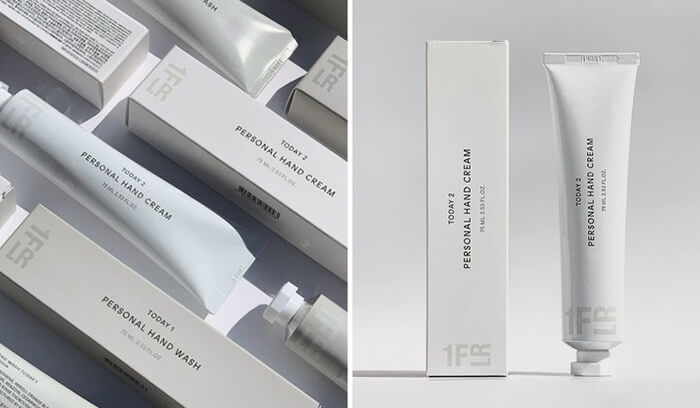
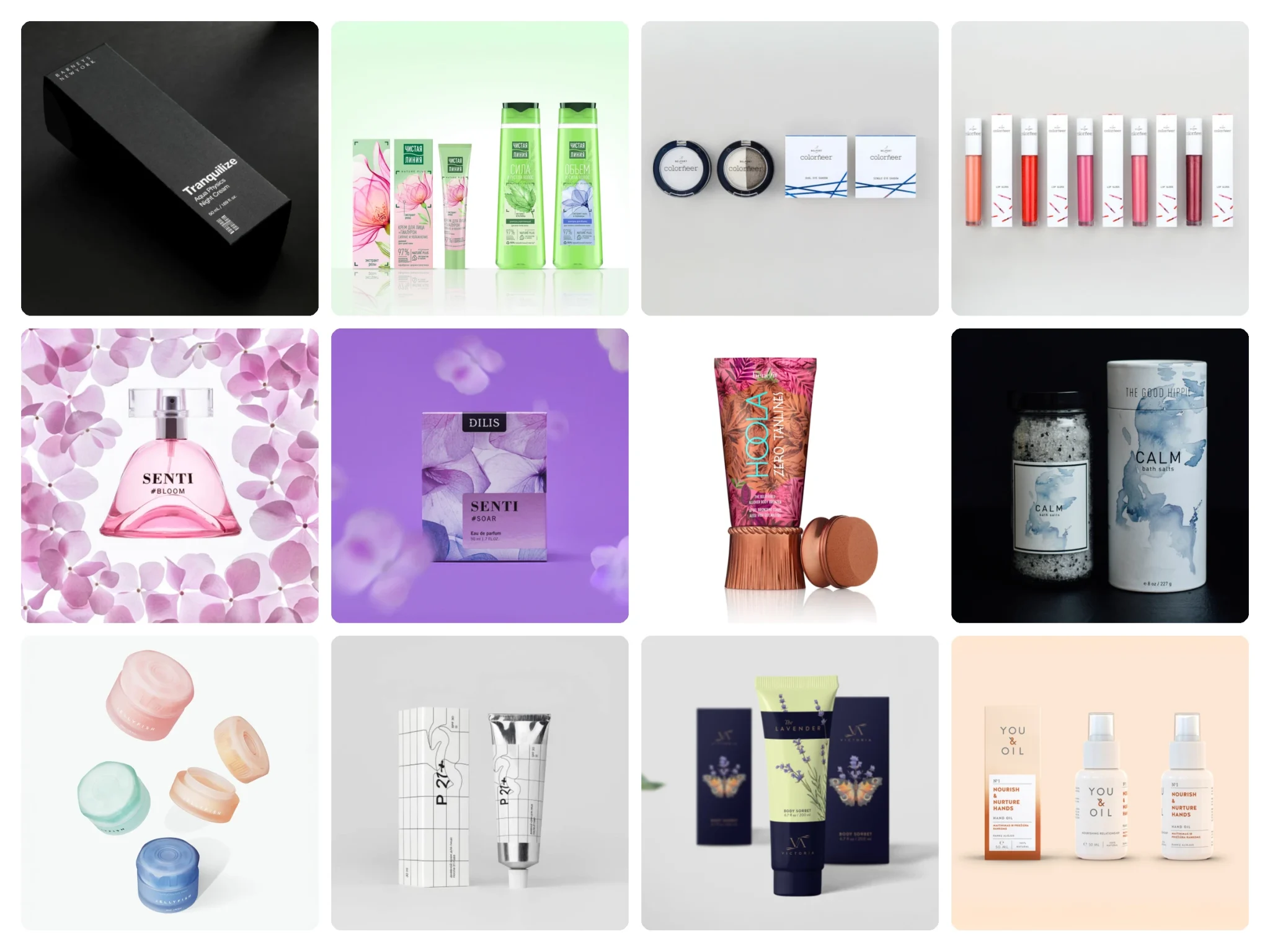
Top 10 Creative Cosmetic Packaging Design Ideas & illustrations 2023 | Luxury-Paper-Box.Com
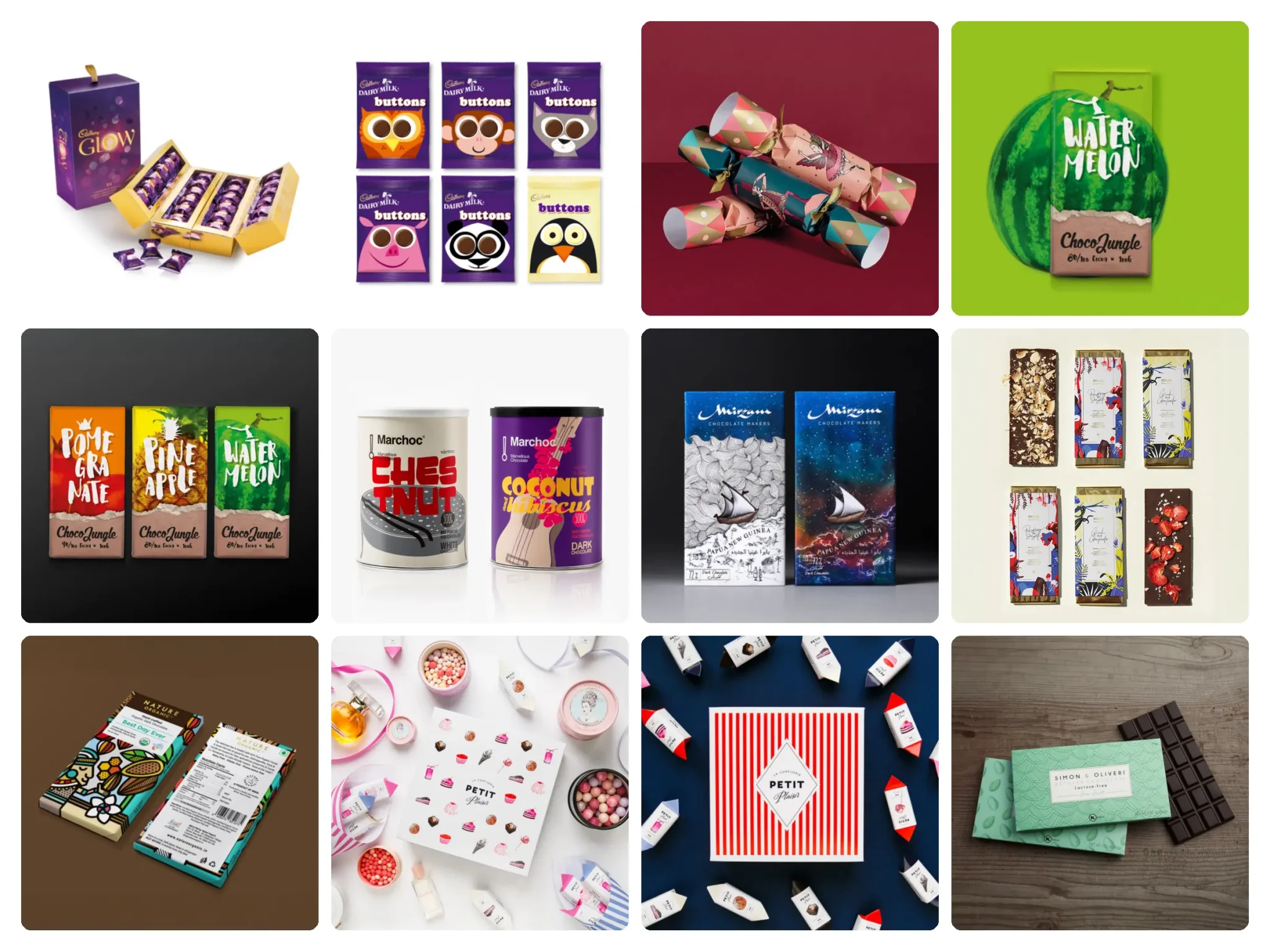

30 Honey Packaging Designs That Capture Nature’s Sweetness

Why AI Packaging Design Makes Your Brand Faster