

Jewelry Packaging Trends 2026 & Best Jewelry Packaging Design Ideas
Jewelry packaging matters more than ever nowadays. In the digital age of 2026, the physical unboxing experience is the only tactile moment a brand has with its customer. People don’t just buy jewelry for the sparkle; they buy the ritual, the anticipation, and the values the brand represents. A good package design elevates the perceived value of the piece and aligns with the sustainability standards customers now demand. This article breaks down the latest jewelry packaging trends coming in 2026 and best design ideas for luxury and daily-wear brands.

Latest Jewelry Packaging Trends in 2026
In 2026, what type of packaging is expected by jewelry clients? The “Unboxing” has evolved from a social media stunt to a standard expectation of quality. This involves the design of outer boxes, pouches, ribbons, and travel cases. So let’s take a look at the 2026 jewelry packaging trends forecast before designing.
1. “Zero-Waste” Luxury: The end of plastic inserts
Sustainability continues to dominate in 2026, but the focus has shifted to the details. In the past, brands might have used a cardboard box but kept the foam insert. Now, consumers demand 100% plastic-free solutions. High-density molded fiber (paper pulp) and wool-based felts are replacing traditional foam and polyester velvet. These materials offer the same protection and premium feel but are fully compostable.
For luxury brands, the challenge is to make “eco-friendly” look expensive. We are seeing a rise in textured, uncoated papers that feel like fabric, and innovative use of mycelium (mushroom-based packaging) that mimics the density of rigid boxes. In 2026, a plastic lamination on a box is considered a design flaw, not a feature.
2. The “Second Life” Concept: Packaging as a permanent accessory
In 2026, the box is no longer trash; it is a product in itself. The trend is moving towards packaging that serves as a permanent storage solution or a travel case. Customers are tired of accumulating useless cardboard boxes. They want a drawer-style box that stacks beautifully on a vanity, or a microfiber pouch that doubles as a polishing cloth.
Brands are investing more in the structural integrity of the “inner box.” If a customer can use the packaging to travel with their jewelry or organize their dresser, they perceive the purchase as higher value. This shift also justifies a higher price point, as the client feels they are getting two items: the jewelry and a functional accessory.
3. Tactile Minimalism: Texture over graphics
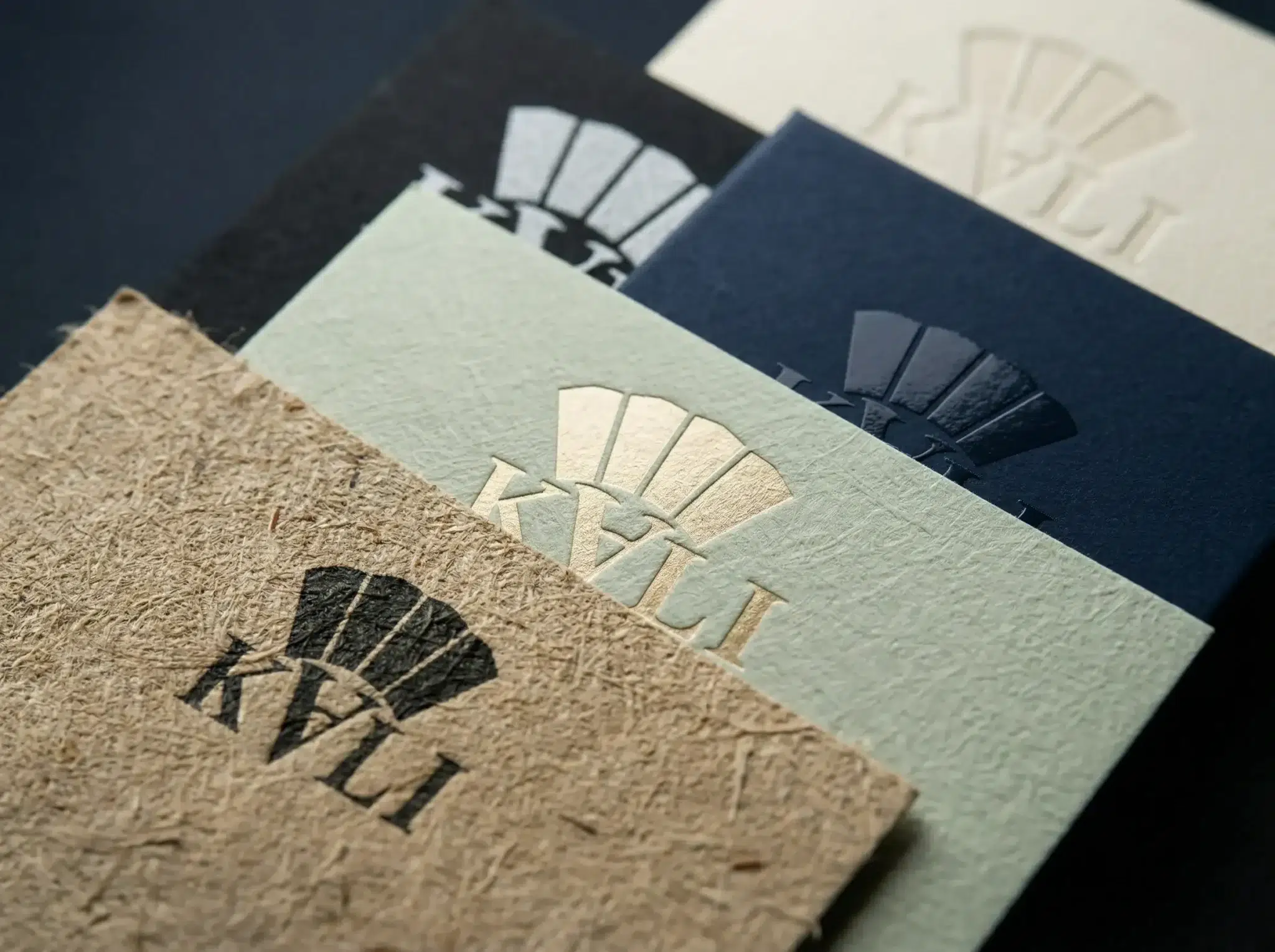
Visually, 2026 is seeing a shift towards “Quiet Luxury.” Big, loud logos are fading in favor of subtle debossing and rich textures. The focus is on how the packaging *feels* in the hand. Soft-touch papers, linen weaves, and stone-paper textures are incredibly popular. The colors are becoming warmer—shifting from stark whites to warm sands, terracottas, and sage greens.
This trend is about slowing down the unboxing process. When the finger traces a textured surface, it creates a sensory connection. Brands are using blind embossing (stamping without foil) to create a shadow play of their logo, which feels more sophisticated and modern than the shiny gold foil stamps of the past.
4. Smart Packaging: Digital provenance and authentication
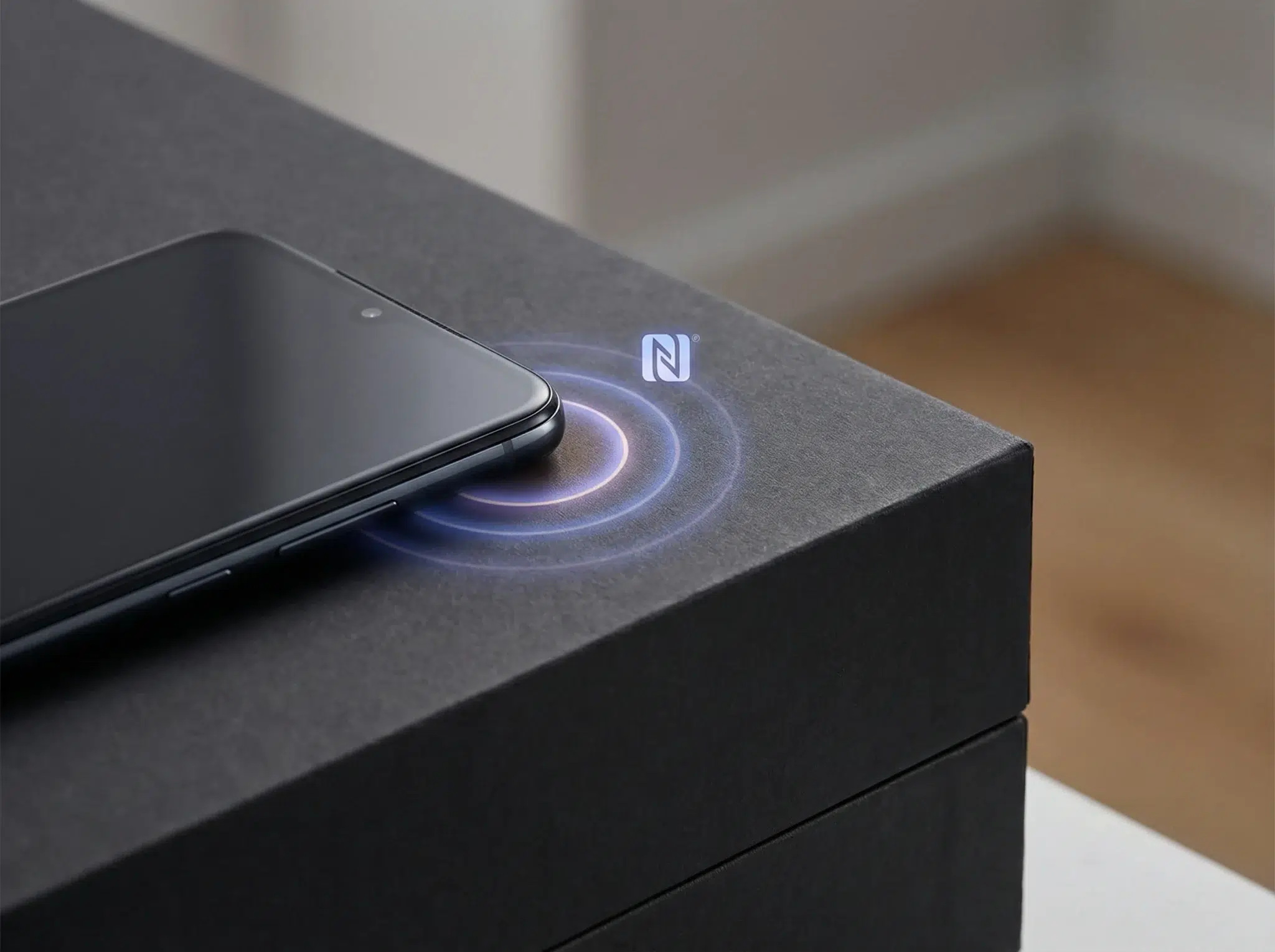
With the rise of lab-grown diamonds and vintage resale markets, authentication is key in 2026. Packaging is becoming the carrier of this digital information. Discreet NFC chips embedded in the box lid or QR codes printed with invisible UV ink allow users to scan the packaging with their phones.
This scan reveals the jewelry’s journey, its certification, and care instructions. It reduces the need for printed paper booklets (saving waste) and creates a digital link between the brand and the user long after the purchase. For high-end brands, this is also a security feature to prove the item is genuine.
5. Gender-Neutral and Industrial Aesthetics
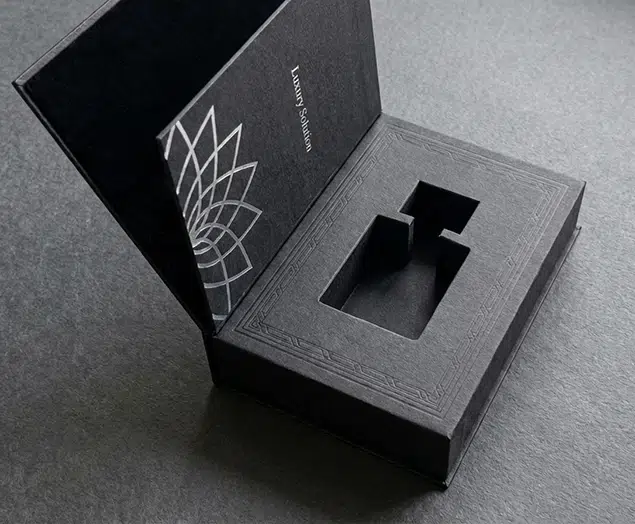
As men’s jewelry becomes a major market sector in 2026, packaging is moving away from the traditional “ribbons and bows” aesthetic. We are seeing more structural, architectural designs with magnetic closures and sharp angles. The color palette is expanding into deep charcoals, midnight blues, and industrial greys.
This “Industrial Chic” style appeals to all genders. It focuses on the mechanics of the box—how smoothly it slides open, the satisfying “click” of a magnet—rather than decorative frills. It reflects a modern, utilitarian view of luxury.
How to Design Jewelry Packaging?
Designing jewelry packaging requires balancing protection with presentation.
Step 1: Define the Unboxing Ritual
Start by mapping the user’s journey. Is it a lift-off lid, a drawer, or a ribbon-tied pouch? The opening mechanism sets the mood. A drawer feels like a discovery; a hinged box feels traditional and ceremonial.
Step 2: Choose Sustainable Materials
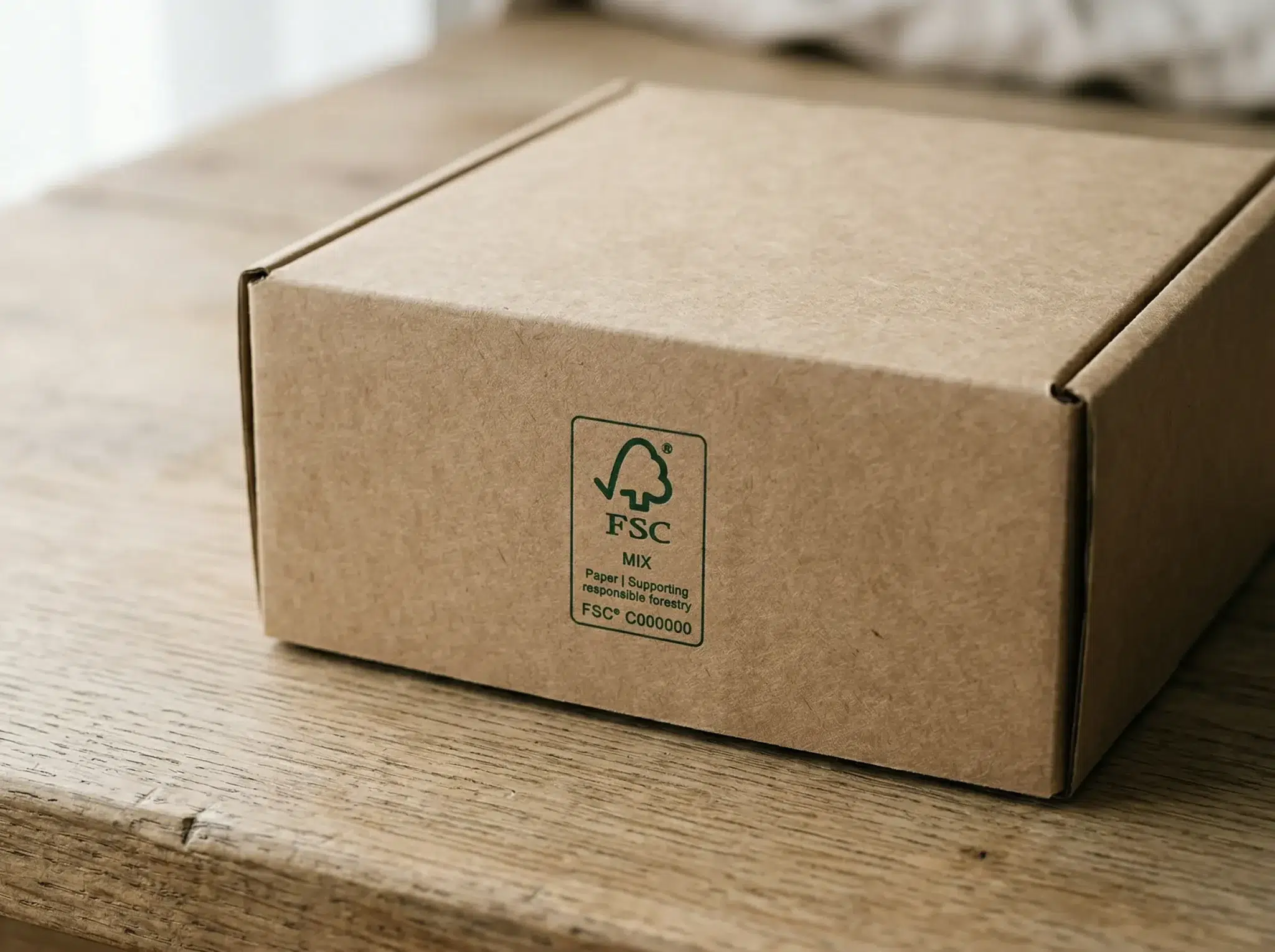
Pick materials that align with 2026 standards. Avoid mixed materials that cannot be separated. If you use paper, ensure it is FSC-certified. If you use fabric, opt for organic cotton or RPET (recycled plastic bottle fabric).
Common jewelry packaging materials:
- Rigid Boxes (Greyboard): The standard for luxury. In 2026, these are wrapped in unlaminated, textured paper to ensure recyclability.
- Microfiber & Suede: Used for pouches and inserts. The trend is shifting towards vegan suede made from recycled polyester to avoid animal products.
- Molded Pulp: Once used for egg cartons, now refined for luxury. It can be dyed any color and formed into precise shapes to hold rings or bracelets without foam.
- Cotton & Canvas: Perfect for the “organic” look. Reusable pouches made from raw cotton appeal to the boho-chic and daily-wear market.
- Metal Tins: A rising trend for retro-styled brands. Aluminum tins are infinitely recyclable and offer a unique, cool-to-the-touch feel.
Step 3: Secure the Product
Jewelry is delicate. The insert is the most critical part. Ensure rings sit tight in their slots and chains are secured behind a pad to prevent tangling. In 2026, designers are using clever paper engineering (origami-style folds) to hold items securely without glue.
Step 4: Branding and Finishes
Decide how your logo appears. Hot stamping (foil) is classic, but consider spot UV or debossing for a modern look. Remember, in 2026, less is more. A small, perfectly placed logo often says more than a large pattern.
Best Unique & Creative Jewelry Packaging Ideas for 2026
Here are some unique packaging examples from leading brands that define the style of 2026.
〓Tiffany & Co. Sustainable “Blue Box”〓
The iconic Tiffany Blue Box has evolved in 2026 to set a new standard for sustainable luxury. While retaining its world-famous color, the sustainable jewelry box is crafted entirely from 100% recycled paper and utilizes a proprietary molded fiber insert instead of traditional foam or plastic velvet. The texture is matte and tactile, emphasizing the natural materials. The white ribbon is made from Tencel (a wood-pulp fiber), making the entire package biodegradable. It proves that heritage brands can modernize their environmental impact without losing the emotional power of their signature look.


〓Gorjana Coastal Envelope Style Packaging〓
Gorjana’s packaging design in 2026 perfectly captures their Laguna Beach roots and “layering” philosophy. The packaging moves away from rigid boxes to a soft, envelope-style system using textured papers in warm sand and blush tones. The key feature is the “Traveler Pouch” included inside—a high-quality, reusable cotton canvas pouch designed to keep layered necklaces from tangling. This practical approach resonates with their active, laid-back customer base. The gold foil logo is subtle, reflecting the golden hour sunlight, making the unboxing feel like receiving a warm gift from a friend rather than a corporate transaction.

〓David Yurman Sculpted Industrial Box〓
David Yurman’s 2026 packaging takes inspiration from their signature Cable motif. The box features a unique, heavy-weight paper with a deep, charcoal grey finish and a debossed texture that mimics twisted cable. It feels masculine, architectural, and substantial in the hand. The opening mechanism is magnetic and seamless, offering a “silent luxury” experience. Inside, a dark grey vegan suede insert holds the jewelry firmly. This design appeals to the growing men’s jewelry market but remains gender-neutral, focusing on the brand’s artistic and sculptural heritage rather than traditional gender codes.

〓Pandora Low-Carbon Pink Packaging〓
Pandora continues to lead the mass-market sector with its 2026 packaging update. The signature pink box is now even slimmer to reduce shipping carbon footprints. It is made from FSC-certified recyclable paper with no plastic coating. The brilliance of this design is in the details: the “O” crown logo is embossed rather than printed to save ink, and the inner cushion has been replaced by a clever paper-fold mechanism that holds charms and bracelets securely. It is a masterclass in how high-volume brands can maintain a cute, recognizable aesthetic while aggressively cutting waste.

〓Cartier “Guirlande” Heirloom Case〓
Cartier’s red box is perhaps the most famous in history, and in 2026, they focus on the “Heirloom” concept. The packaging is designed not to be recycled, but to be kept forever. It uses a bio-composite material that replicates the feel of leather but is plant-based. The gold garland motif is applied using eco-friendly hot stamping. The box is designed with a travel-friendly button release mechanism, turning the packaging into a permanent travel safe for the jewelry. This strategy reinforces the idea that Cartier is an investment, and the box is part of the asset.

〓Mejuri Minimalist Cotton Edition〓
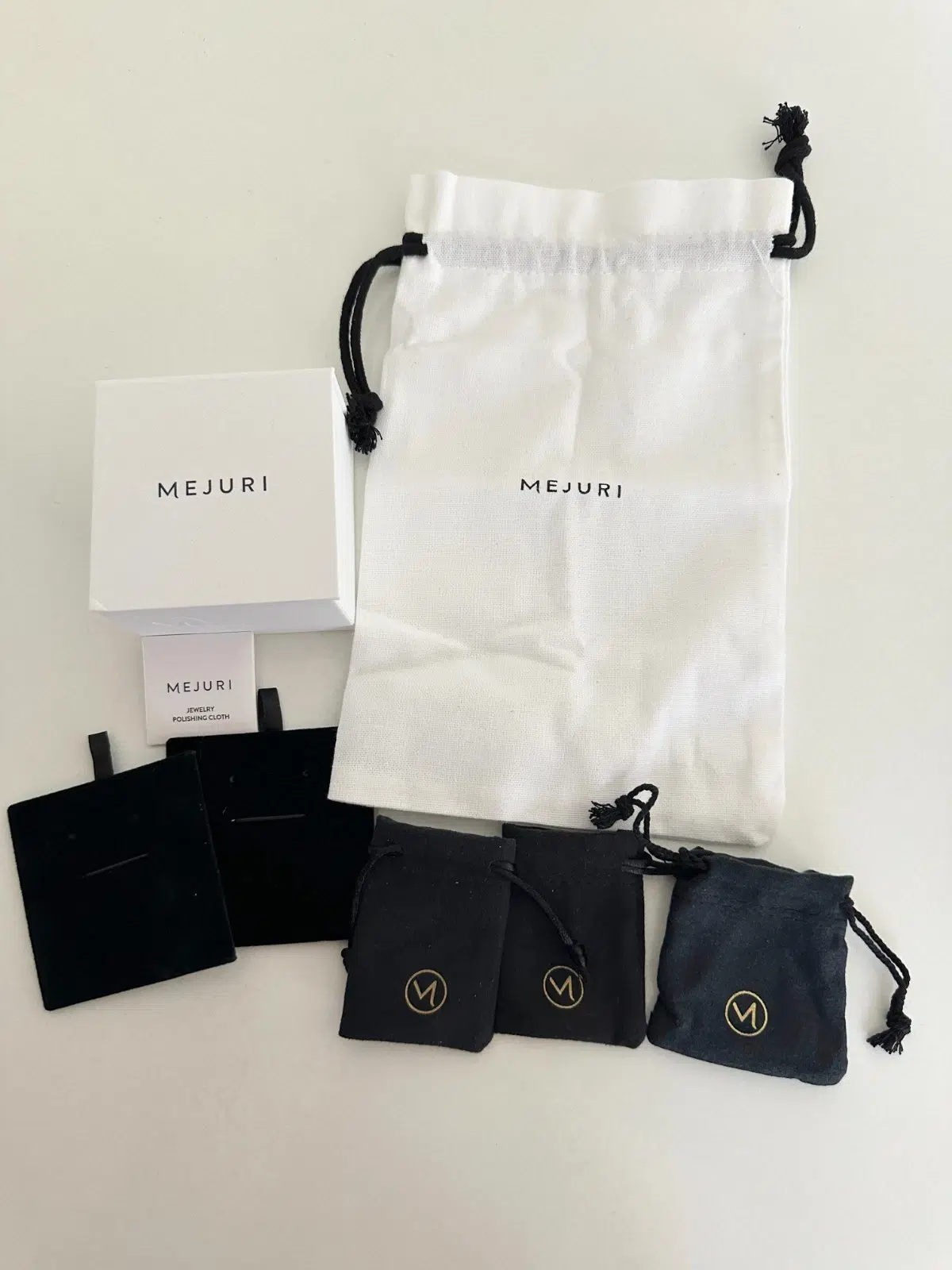
Mejuri has always been about “everyday luxury,” and their 2026 packaging reflects this with utter simplicity. They have eliminated the rigid box entirely for most orders, opting instead for a thick, premium organic cotton pouch with a divider to separate pieces. This design choice drastically reduces weight and shipping costs while giving the customer something reusable. The branding is a simple, modern tag on the side. It appeals to the Gen Z consumer who values honesty and utility over excessive, wasteful layering. It’s chic, soft, and fits easily into a pocket or handbag.
〓Bulgari “Roman Sunset” Packaging〓
Bulgari’s packaging trend for 2026 embraces rich, metallic textiles that pay homage to Roman sunsets. The box exterior is wrapped in a shimmering, copper-gold fabric made from recycled silk byproducts. The interior features a contrasting deep purple velvet, also created from upcycled materials. The design emphasizes the tactile experience of luxury—heavy, soft, and warm. The box opens with a dramatic two-door mechanism, presenting the jewelry like a piece of art in a museum. It perfectly balances the brand’s opulence with modern responsibility.



Top 10 Creative Cosmetic Packaging Design Ideas & illustrations 2023 | Luxury-Paper-Box.Com
30 Honey Packaging Designs That Capture Nature’s Sweetness
Why AI Packaging Design Makes Your Brand Faster