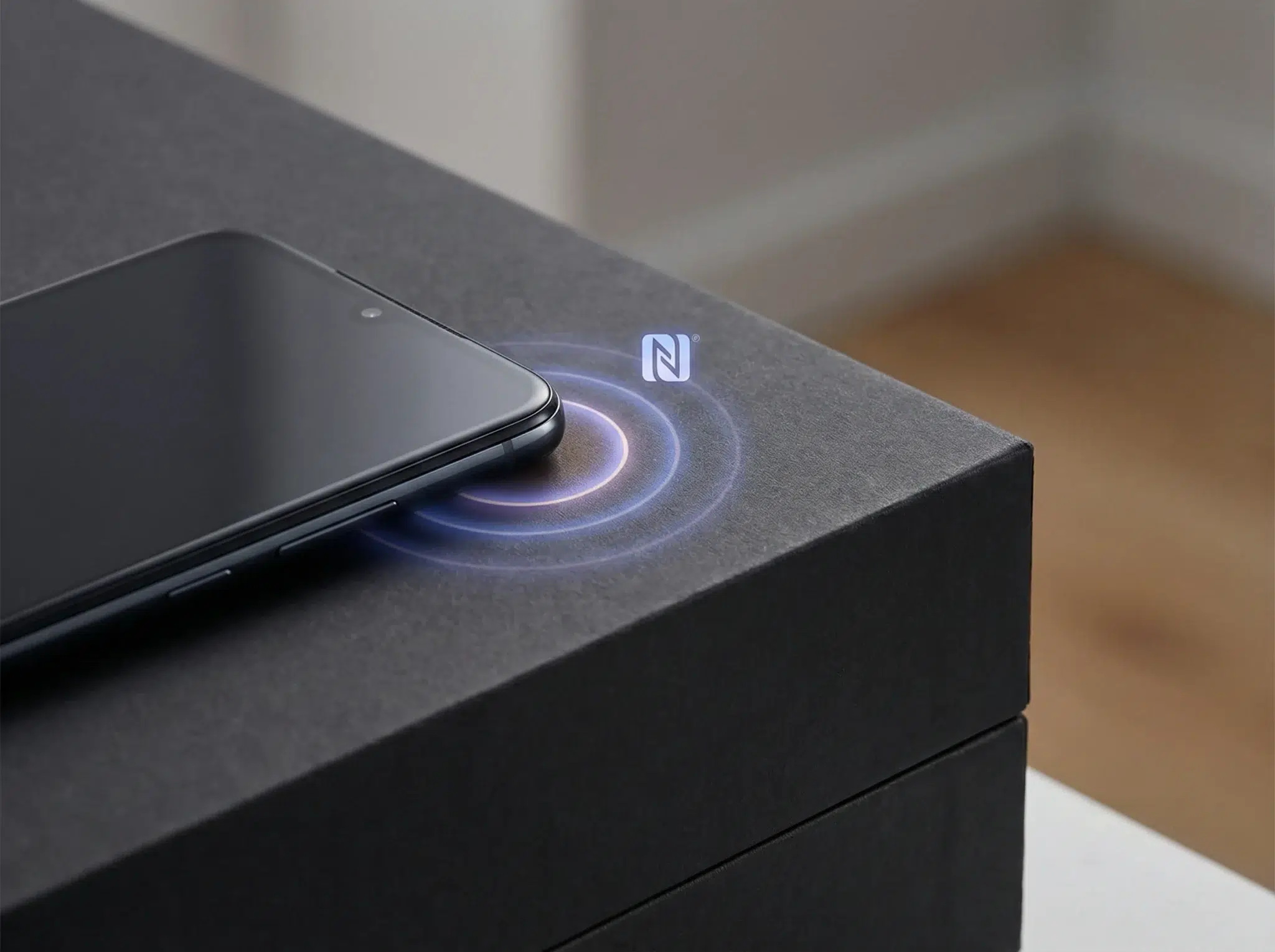


What Is NFC Packaging? The Ultimate Guide to Benefits, Costs & ROI 2026
In an era where consumers expect instant information and authentic brand connections, packaging is evolving far beyond its traditional protective role. Near Field Communication (NFC) technology is transforming static boxes into dynamic touchpoints that bridge the physical and digital worlds. But what exactly is NFC packaging, and why should brands across luxury goods, pharmaceuticals, and consumer electronics pay attention?
This comprehensive guide demystifies NFC packaging technology, explores its practical applications across industries, and reveals why forward-thinking brands are investing in this game-changing innovation for 2026 and beyond.
What Is NFC Packaging? The Technology Explained
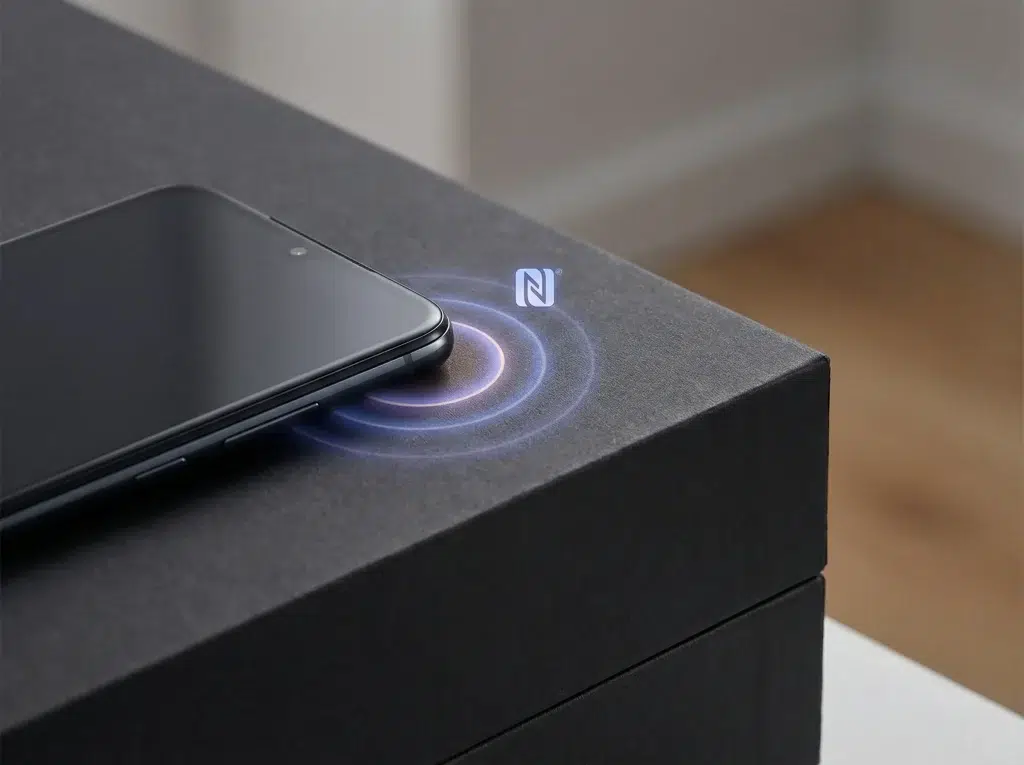
Near Field Communication (NFC) is a short-range wireless technology that enables two devices to communicate when they’re brought within close proximity—typically within 4 centimeters or about 1.5 inches. When integrated into packaging, NFC creates “smart packaging” that consumers can interact with using their smartphones.
Unlike QR codes that require a camera scan, NFC packaging works through a simple tap. An ultra-thin NFC chip—often no thicker than a sheet of paper—is embedded into packaging materials during manufacturing. When a consumer taps their smartphone against the designated area, the NFC chip transmits encoded information instantly.
How NFC Technology Works in Packaging
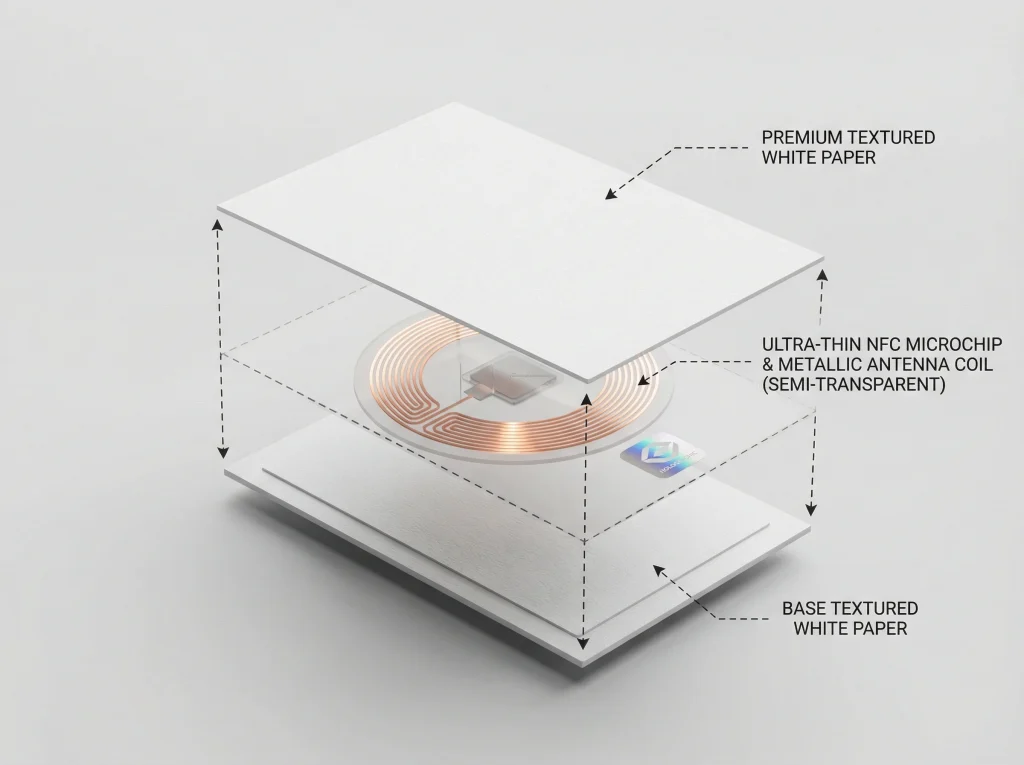
The technology operates through electromagnetic induction. The NFC chip contains a tiny antenna and microchip that remains dormant until activated by a smartphone’s electromagnetic field. No battery is required—the chip draws power from the phone itself during the tap interaction.
This passive system means NFC tags have virtually unlimited shelf life and can withstand various environmental conditions without degradation. The chips can be programmed to trigger specific actions: opening a website, playing a video, verifying authenticity, or initiating a product registration.
NFC vs. QR Codes: Understanding the Difference
While both technologies create digital connections, they serve different purposes and offer distinct user experiences:
- Interaction method: NFC requires only a tap, while QR codes need camera scanning and proper lighting
- Security level: NFC offers encrypted communication and unique chip IDs, making counterfeiting significantly more difficult
- Data capacity: NFC chips can store more information and be reprogrammed dynamically
- User experience: NFC provides a more seamless, intuitive interaction that feels premium
- Cost consideration: NFC chips are more expensive than printed QR codes but offer enhanced functionality
Key Benefits of NFC-Enabled Packaging
Smart packaging with NFC technology delivers measurable advantages for both brands and consumers, transforming packaging from passive container to active brand ambassador.
Enhanced Consumer Engagement
NFC packaging creates opportunities for meaningful post-purchase engagement. Brands can deliver product usage tutorials, recipe suggestions, styling advice, or exclusive content directly to consumers’ phones. This extended engagement builds brand loyalty and increases customer lifetime value.
The technology also enables personalized experiences based on purchase history, location, or user preferences—creating tailored brand interactions that feel relevant rather than generic.
Product Authentication & Anti-Counterfeiting
Counterfeit products cost global businesses over $500 billion annually. NFC chips provide sophisticated authentication that’s nearly impossible to replicate. Each chip has a unique identifier that can be verified against brand databases in real-time.
For luxury goods, pharmaceuticals, and premium electronics, this authentication capability protects both brand reputation and consumer safety. Buyers gain confidence knowing they’ve purchased genuine products, while brands protect their market share from counterfeiters.
Supply Chain Transparency & Traceability
NFC-enabled packaging can track products throughout the entire supply chain, from manufacturing to final sale. This visibility helps brands monitor inventory, identify bottlenecks, and ensure proper handling conditions.
For consumers, this transparency builds trust. A simple tap can reveal where ingredients were sourced, when the product was manufactured, and how it traveled to reach them—addressing growing demand for ethical and sustainable business practices.
Valuable Consumer Data Insights
Every NFC tap generates data: when and where consumers interact with products, which information they access, and how often they engage. These insights help brands understand consumer behavior, optimize marketing strategies, and refine product offerings.
Unlike traditional packaging, which goes silent after purchase, NFC packaging provides ongoing feedback that informs business decisions and product development.
Real-World Applications: NFC Packaging Across Industries

NFC packaging isn’t theoretical—leading brands across multiple sectors are already deploying this technology to solve specific business challenges and enhance customer experiences.
Luxury Fashion & Cosmetics: Authentication Meets Exclusivity
High-end fashion houses embed NFC chips into handbags, watches, and sneakers to combat counterfeiting while creating exclusive digital experiences. When customers tap their authenticated product, they unlock access to brand history, care instructions, and invitations to private events.
Premium cosmetics brands use NFC packaging to provide personalized beauty tutorials, ingredient transparency, and skincare routine recommendations based on the specific product purchased. This transforms a simple lipstick or serum into an entry point for ongoing brand engagement.
Pharmaceutical Industry: Safety & Compliance
Medication safety depends on proper usage and authenticity verification. NFC-enabled pharmaceutical packaging provides instant access to dosage instructions, potential side effects, and drug interaction warnings in multiple languages.
The technology also helps patients manage medication schedules through reminder systems and tracks adherence patterns that healthcare providers can monitor. For high-value specialty drugs, NFC authentication prevents dangerous counterfeit medications from reaching patients.
Premium Spirits & Wine: Provenance & Storytelling
For rare wines and premium spirits, NFC packaging tells the complete story behind each bottle. Consumers tap to discover vineyard history, tasting notes, food pairing suggestions, and optimal serving temperatures.
The technology also verifies authenticity for collectible bottles, providing certification that increases resale value and protects against fraud in the secondary market. Some brands use NFC to create loyalty programs where repeated taps unlock rewards and exclusive releases.
Consumer Electronics: Smart Product Registration
Electronics manufacturers embed NFC chips in packaging to streamline product registration, warranty activation, and setup processes. Instead of manually entering serial numbers or navigating complex registration websites, consumers simply tap their phone to complete the entire process.
The technology also provides easy access to user manuals, troubleshooting guides, and customer support—reducing support costs while improving customer satisfaction.
Food & Beverage: Allergen Information & Recipes
Food brands use NFC packaging to provide detailed allergen information, nutritional breakdowns, and sourcing transparency that won’t fit on traditional labels. A tap delivers recipe ideas, preparation videos, and serving suggestions tailored to the specific product.
For specialty foods, NFC packaging tells the producer’s story, shares farming practices, and builds emotional connections between consumers and the people behind their food.
Implementing NFC Packaging: What Brands Need to Know
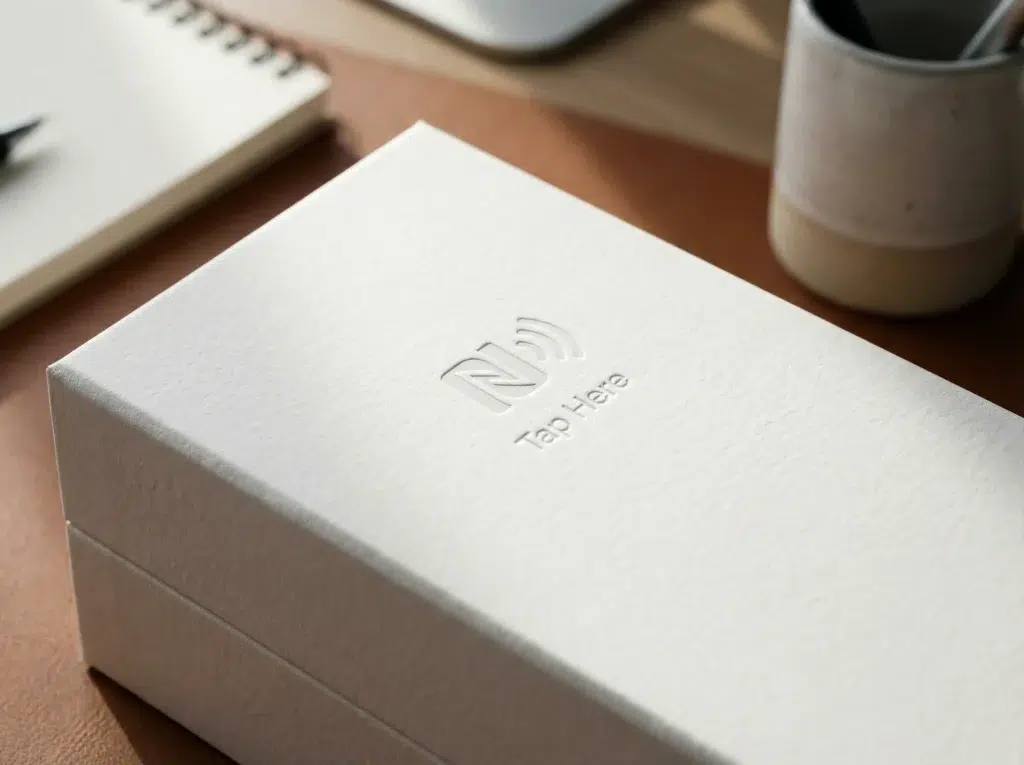
Transitioning to NFC-enabled packaging requires strategic planning, but the process is more accessible than many brands realize.
Technical Integration Process
NFC chips can be integrated into various packaging formats—rigid boxes, folding cartons, labels, and even hang tags. The chips are typically applied during the manufacturing process, either laminated between paper layers or adhered to packaging surfaces.
Brands work with packaging manufacturers to determine optimal chip placement that balances functionality, aesthetics, and cost. The location should be intuitive for consumers while maintaining the packaging’s visual design integrity.
Cost Considerations
NFC chip costs vary based on memory capacity, functionality, and order volume. Basic chips suitable for authentication and simple content delivery typically cost between $0.10 to $0.50 per unit at scale.
While this represents a premium over traditional packaging, the ROI often justifies the investment through reduced counterfeiting losses, enhanced customer engagement, and valuable data insights. Many brands implement NFC selectively—starting with premium product lines or limited editions before broader rollout.
Consumer Education & Adoption
Successful NFC packaging includes clear visual cues—icons, instruction text, or designated tap zones—that guide consumers toward interaction. Most modern smartphones have NFC enabled by default, but packaging should include simple instructions for first-time users.
Brands should consider the first tap as a crucial touchpoint. The landing experience should be mobile-optimized, load quickly, and immediately deliver value that encourages repeat engagement.
The Future of NFC Packaging: Emerging Trends
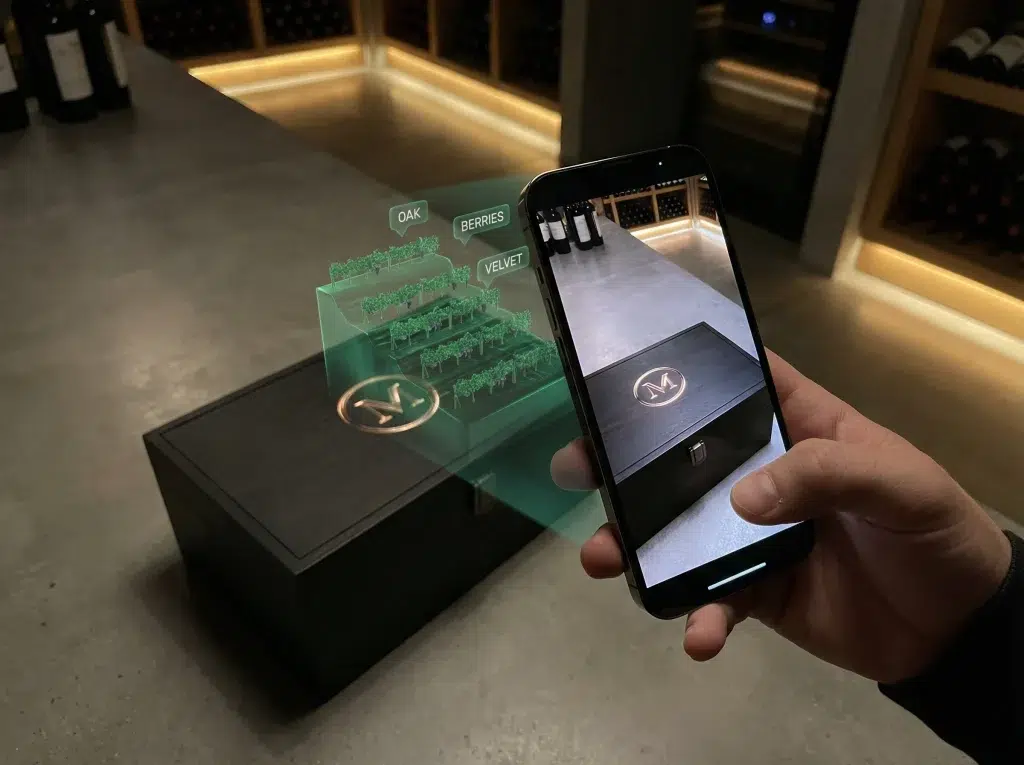
As NFC technology matures and becomes more affordable, several exciting developments are reshaping smart packaging possibilities.
Integration with Augmented Reality (AR)
Forward-thinking brands are combining NFC with AR experiences. A tap triggers immersive 3D product visualizations, virtual try-ons, or interactive brand storytelling that transforms packaging into entertainment.
Blockchain Authentication
The convergence of NFC and blockchain technology creates unprecedented authentication security. Each product tap verifies against an immutable blockchain record, providing absolute proof of authenticity and complete supply chain transparency.
Circular Economy & Recycling Programs
NFC packaging will increasingly facilitate product take-back programs and recycling initiatives. Consumers tap to locate nearby recycling centers, receive refund credits, or participate in circular economy programs that incentivize sustainable behavior.
Is NFC Packaging Right for Your Brand?
NFC packaging makes strategic sense for brands that face one or more of these challenges:
- Counterfeiting threatens brand integrity and revenue
- Products require detailed usage information that doesn’t fit on traditional packaging
- Customer engagement drops significantly after purchase
- Supply chain visibility needs improvement
- The brand operates in premium segments where innovation signals quality
- Regulatory compliance requires detailed product tracking and information access
The technology is particularly valuable for brands prioritizing direct consumer relationships, data-driven decision making, and differentiation in crowded markets.
Partner with NFC Packaging Experts
At KALI, we specialize in integrating NFC technology into premium packaging solutions that maintain aesthetic excellence while delivering technical functionality. Our team understands both the manufacturing requirements and strategic implementation needed to launch successful smart packaging initiatives.
Whether you’re exploring NFC for authentication, engagement, or supply chain visibility, we provide end-to-end support—from chip selection and placement optimization to digital experience design and data infrastructure setup.
Ready to transform your packaging from passive container to active brand ambassador?
Contact our smart packaging specialists to discuss how NFC technology can address your specific brand challenges. We’ll help you navigate technical decisions, estimate costs, and develop an implementation roadmap that delivers measurable ROI.
Visit luxury-paper-box.com or reach out directly to explore how NFC-enabled packaging can differentiate your brand, protect your products, and create lasting consumer connections in 2026 and beyond.



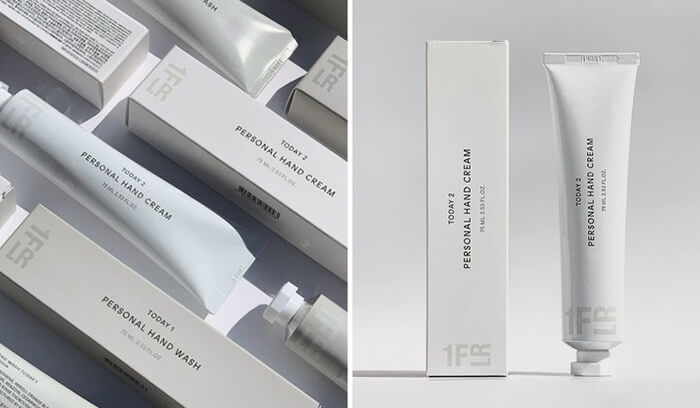
Top 10 Creative Cosmetic Packaging Design Ideas & illustrations 2023 | Luxury-Paper-Box.Com
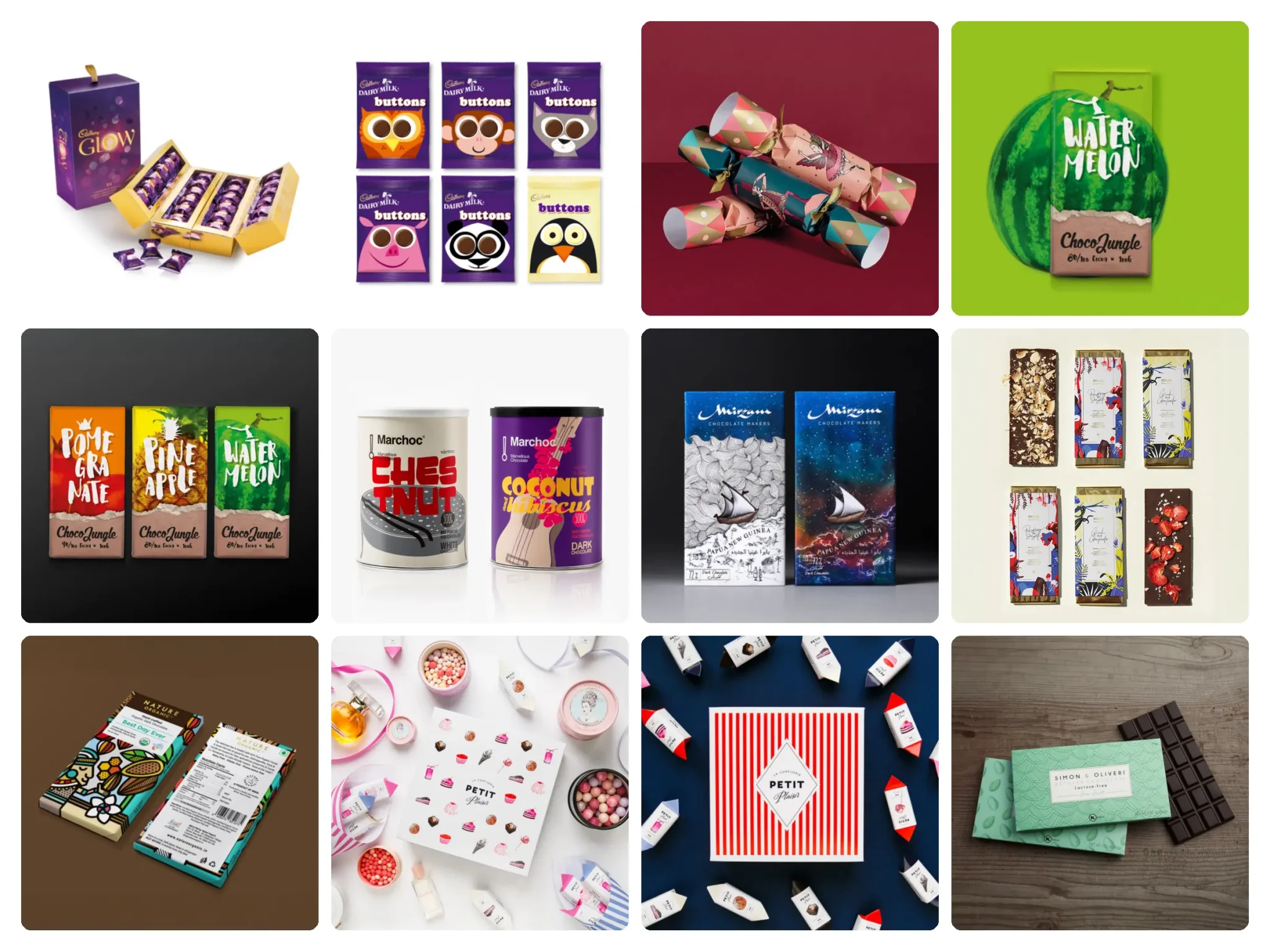

30 Honey Packaging Designs That Capture Nature’s Sweetness

Why AI Packaging Design Makes Your Brand Faster