

2026 EU PPWR Survival Guide: Sustainable Luxury Paper Boxes for High-End Brands
The clock is ticking for brands selling into the European market. By mid-2026, the European Union’s groundbreaking Packaging and Packaging Waste Regulation (PPWR) will officially take effect—and the implications for luxury brands are profound.
For the luxury packaging sector, this regulation represents a massive wake-up call. Historically, luxury brands have relied on oversized boxes, heavy multi-material structures, and non-recyclable inserts to create a premium “unboxing experience.” Under the new PPWR guidelines, these traditional methods aren’t just frowned upon—they will soon be illegal.
If you’re a high-end brand, navigating these new rules is critical to avoiding heavy fines and market exclusions. Here’s your ultimate survival guide to avoiding the biggest pitfalls of the 2026 EU PPWR, and how transitioning to smart, sustainable luxury paper boxes is your best strategic move.
Pitfall #1: The “Empty Space” Violation (Over-Packaging)
The Rule: The PPWR mandates strict packaging minimization. Specifically, e-commerce, transport, and grouped packaging must have a maximum empty space ratio of 50%. Furthermore, all primary packaging must be reduced to the absolute minimum weight and volume necessary to ensure product safety and functionality.
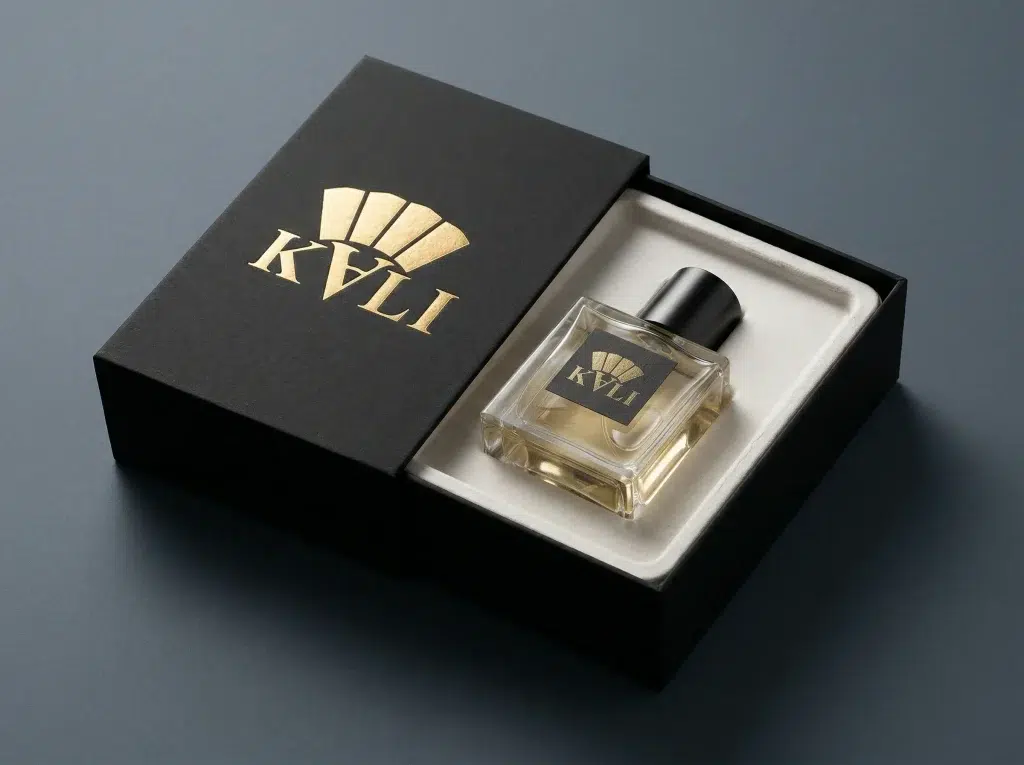
The Pitfall: Picture this—placing a 30ml bottle of perfume or a delicate piece of jewelry into a massive, heavily padded presentation box. If your luxury packaging is mostly air, it will directly violate the minimization mandate and expose your brand to significant penalties.
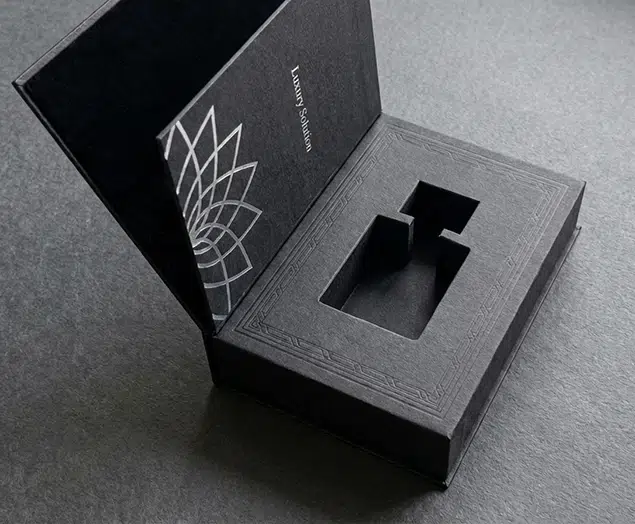
The Fix: Redesign your box structures with precision. At KALI, we help brands engineer highly compact yet luxurious packaging solutions. By using precision-cut molded pulp or origami-style paper inserts instead of bulky foams, you can maintain a high-end aesthetic while shrinking the overall footprint to comply with the 50% rule. The result? Sustainable luxury packaging that meets regulations without sacrificing brand prestige.
Pitfall #2: Using Non-Recyclable Mixed Materials
The Rule: The EU mandates that all packaging must be fully recyclable by 2030, with strict “Design for Recycling” (DfR) criteria taking effect much earlier. Packaging that cannot be easily separated by consumers or recycling facilities will face severe penalties.
The Pitfall: Combining cardboard with non-recyclable elements remains one of the most common violations in luxury packaging. The usual offenders include:
- EVA or PU foam inserts that cannot be recycled with paper streams
- Heavy plastic lamination (film coatings) used for glossy or matte finishes
- Hidden, non-removable magnetic closures embedded within the packaging structure
- Metallic foil stamping applied with non-recyclable adhesives
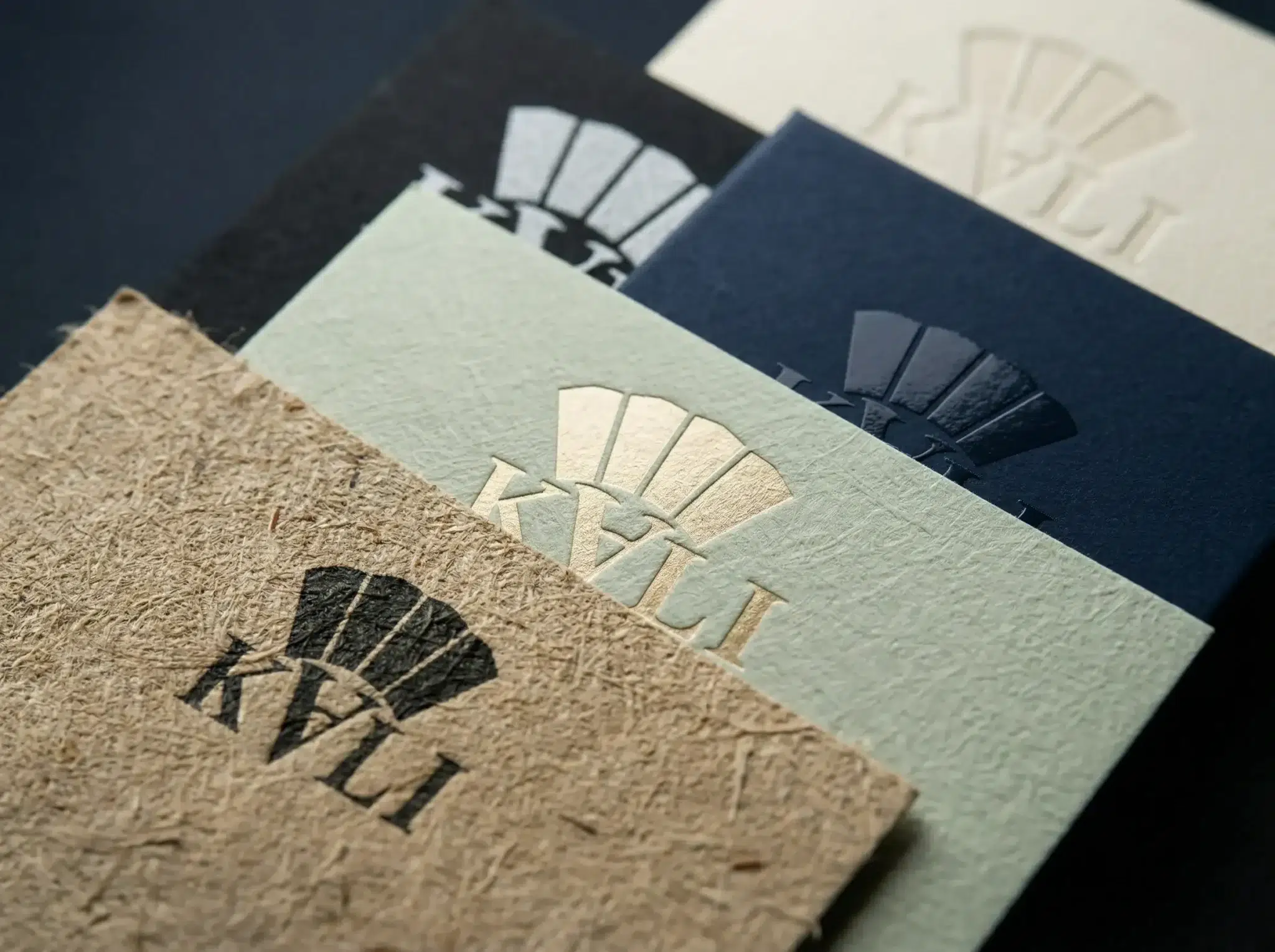
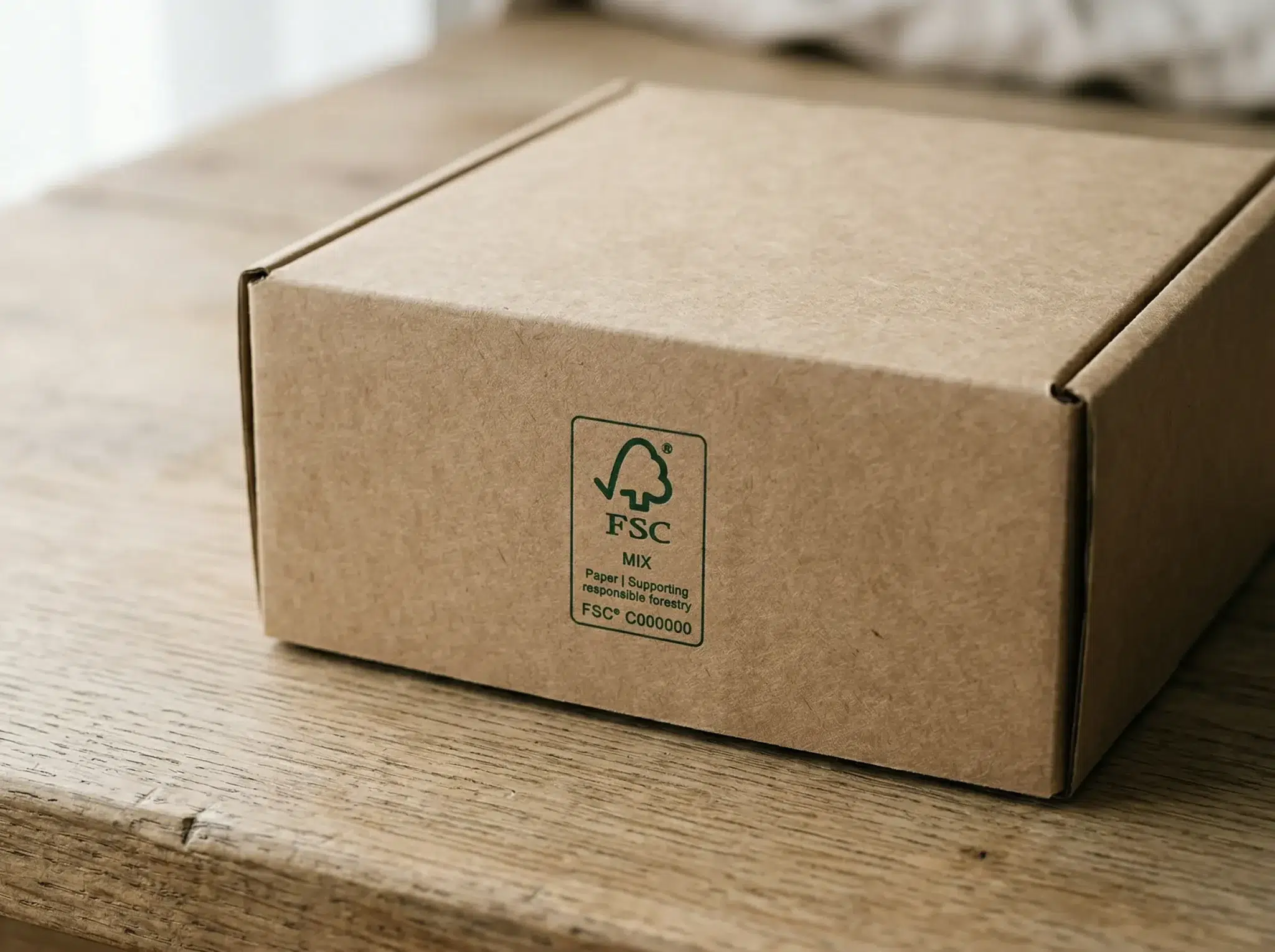
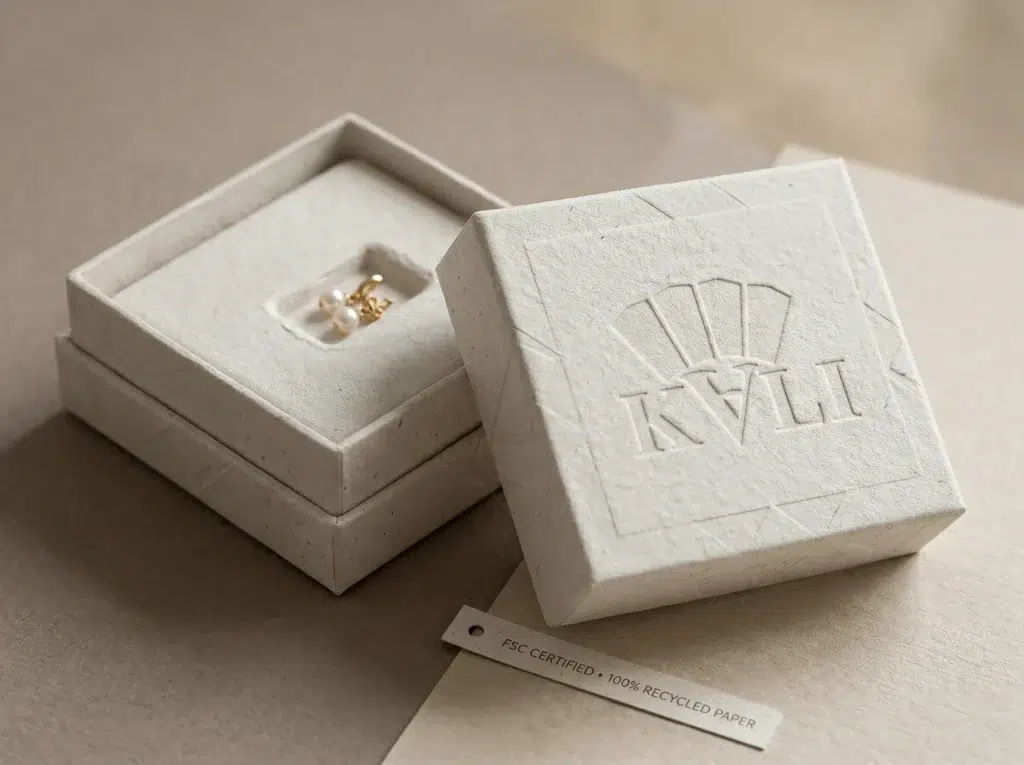
The Fix: Embrace mono-material packaging—the future of compliant luxury. Transition entirely to paper-based solutions. Replace foam with FSC-certified paperboard inserts. Swap plastic lamination for eco-friendly aqueous coatings or soy-based varnishes that maintain visual appeal while ensuring recyclability. If magnetic closures are necessary for your brand experience, they must be redesigned to be easily removable by the end consumer before recycling.
Pitfall #3: Ignoring the PFAS Ban in Food Packaging
The Rule: The PPWR introduces an outright ban on “forever chemicals” (PFAS) in food-contact packaging—a move aimed at protecting both human health and the environment.
The Pitfall: If your brand sells luxury chocolates, artisan truffles, gourmet macarons, or fine teas, you might unknowingly be using grease-resistant paper coatings that contain PFAS. These chemicals have been widely used in premium food packaging for their oil and moisture-resistant properties, but they’re now strictly prohibited.
The Fix: Audit your material supply chain immediately. Ensure that any luxury paper box meant for food products uses 100% PFAS-free, food-safe barriers. Alternative solutions include natural wax coatings, aqueous dispersions, and bio-based barrier technologies that provide the same protective qualities without the environmental and health risks.
Pitfall #4: Clashing Compliance Labels with Minimalist Designs
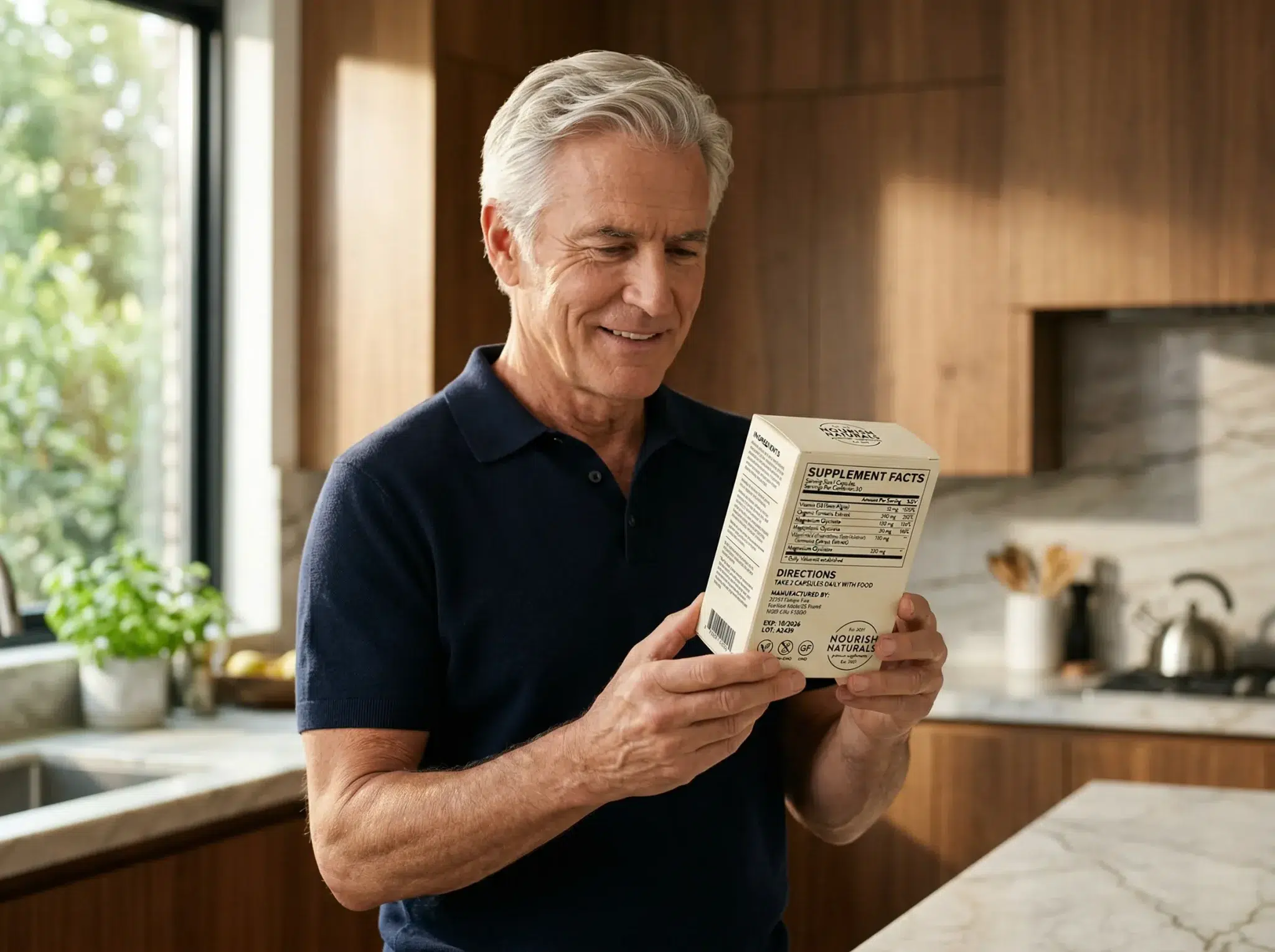
The Rule: The regulation requires harmonized labeling on packaging to inform consumers about material composition and proper sorting instructions—information that must be clearly visible and easily understood.
The Pitfall: Luxury brands are renowned for minimalist, clean surfaces that exude sophistication. Adding mandatory recycling symbols, material codes, and QR codes can feel like a jarring disruption to the brand’s carefully crafted visual identity.
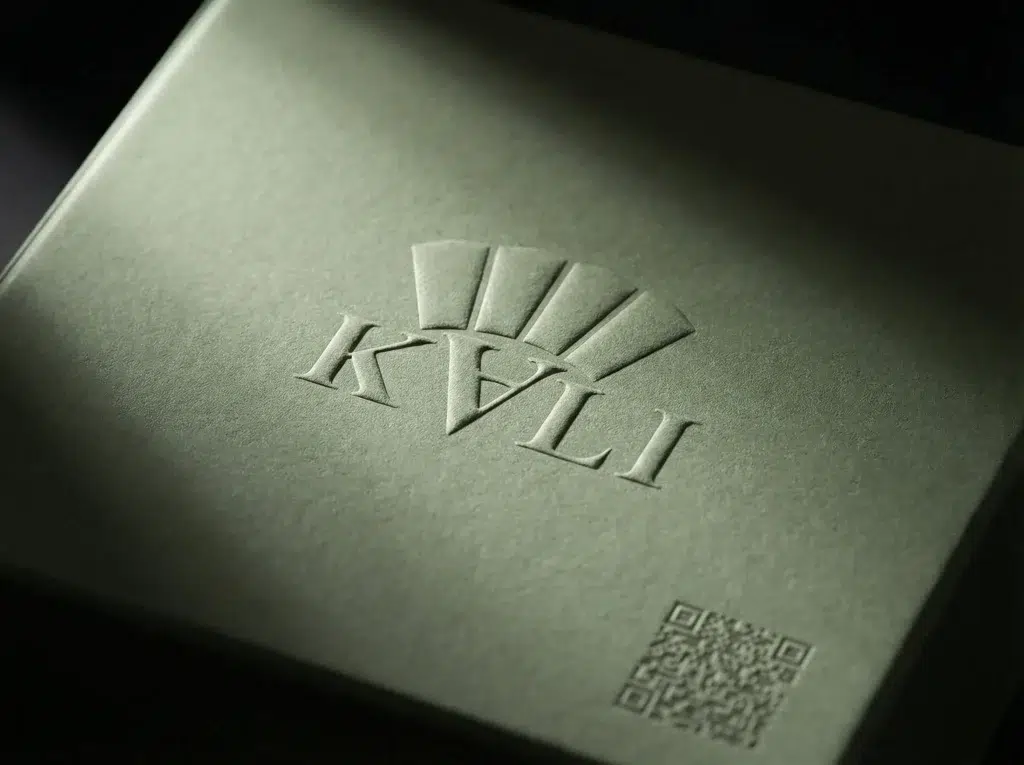
The Fix: Integrate compliance elegantly without compromising aesthetics. Instead of printing harsh black-and-white logos, utilize premium techniques like blind embossing or debossing for recycling symbols—creating subtle, tactile elements that blend seamlessly with your design. Incorporate QR codes discreetly on the base of the box or inside flaps to maintain the pristine look of the main display panels while still providing consumers with comprehensive recycling information.
How to Future-Proof Your Luxury Packaging
Compliance doesn’t mean compromising on luxury—in fact, sustainable packaging is increasingly viewed as the ultimate symbol of modern luxury by today’s eco-conscious consumers. To future-proof your packaging for 2026 and beyond, focus on these strategic pillars:
- FSC-Certified Papers: Ensure your raw materials come from responsibly managed forests. FSC certification not only ensures compliance but also resonates with environmentally conscious luxury consumers who expect brands to demonstrate genuine commitment to sustainability.
- Structural Ingenuity: Use clever folding techniques, innovative die-cutting, and premium textures to replace the “weight and size” previously used to convey quality. Modern luxury is about intelligent design, not excessive materials.
- Eco-Friendly Embellishments: Opt for soy-based inks, water-based glues, and sustainable foil stamping techniques that do not hinder the repulping process. These alternatives maintain the visual impact of traditional luxury finishes while ensuring full recyclability.
- Circular Design Thinking: Design packaging with its end-of-life in mind from the very beginning. Consider how easily components can be separated, whether materials can be recycled in standard facilities, and how you can communicate proper disposal to consumers.
- Supply Chain Transparency: Document and verify the sustainability credentials of every material and process in your packaging production. The PPWR requires extensive reporting, and brands with transparent, traceable supply chains will have a significant competitive advantage.
Partner with Luxury-Paper-Box.com for PPWR-Compliant Solutions
Preparing for the 2026 EU PPWR doesn’t have to be overwhelming. At KALI, we specialize in designing and manufacturing high-end, bespoke paper packaging that meets the strictest global sustainability standards while maintaining the premium quality your brand demands.
Whether you need mono-material perfume boxes, compact jewelry packaging, PFAS-free luxury chocolate boxes, or sustainable cosmetic packaging, our expert engineering team is ready to help you transition smoothly into the new era of eco-luxury. We understand that your packaging is an extension of your brand story—and we’re committed to ensuring that story includes both exceptional quality and environmental responsibility.
Don’t wait until 2026 to redesign your packaging. The brands that act now will have a significant competitive advantage, avoiding last-minute rushes, supply chain disruptions, and potential non-compliance penalties. Contact us today to request a comprehensive compliance audit of your current packaging and discover our premium, PPWR-ready sustainable solutions that will position your brand as a leader in responsible luxury.
Ready to future-proof your luxury packaging? Visit Luxury-Paper-Box.com to explore our collection of sustainable luxury packaging solutions and schedule a consultation with our compliance experts. Your brand’s success in the European market depends on the decisions you make today.

Top 10 Creative Cosmetic Packaging Design Ideas & illustrations 2023 | Luxury-Paper-Box.Com
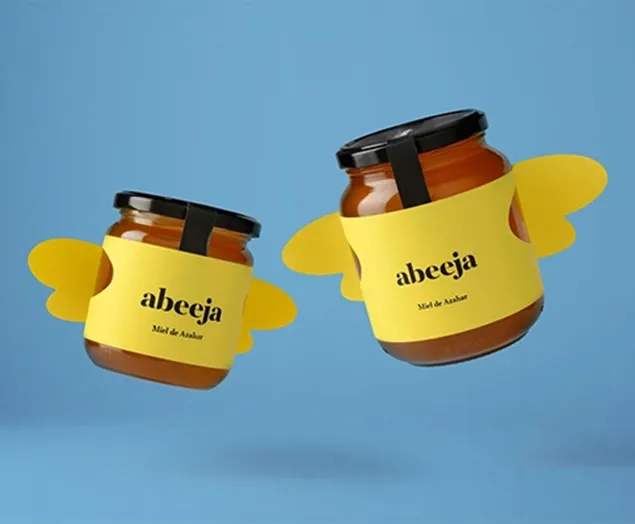
30 Honey Packaging Designs That Capture Nature’s Sweetness
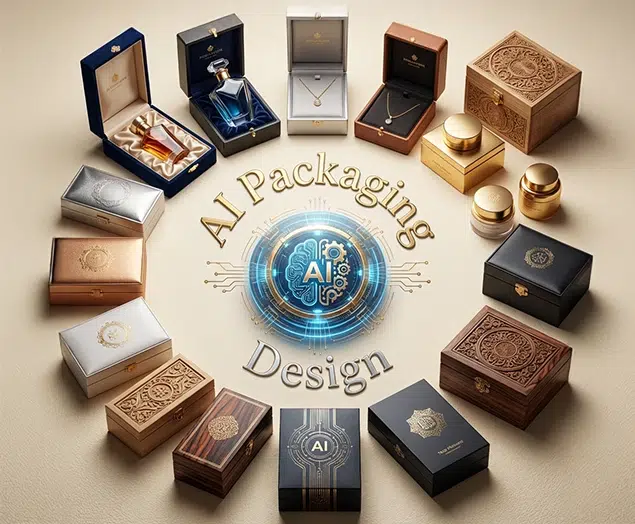
Why AI Packaging Design Makes Your Brand Faster